Monday - Friday: 9:00 - 17:00, Saturday - Sunday: Closed (Emergency 24/7)

Send Email
Monday - Friday: 9:00 - 17:00, Saturday - Sunday: Closed (Emergency 24/7)
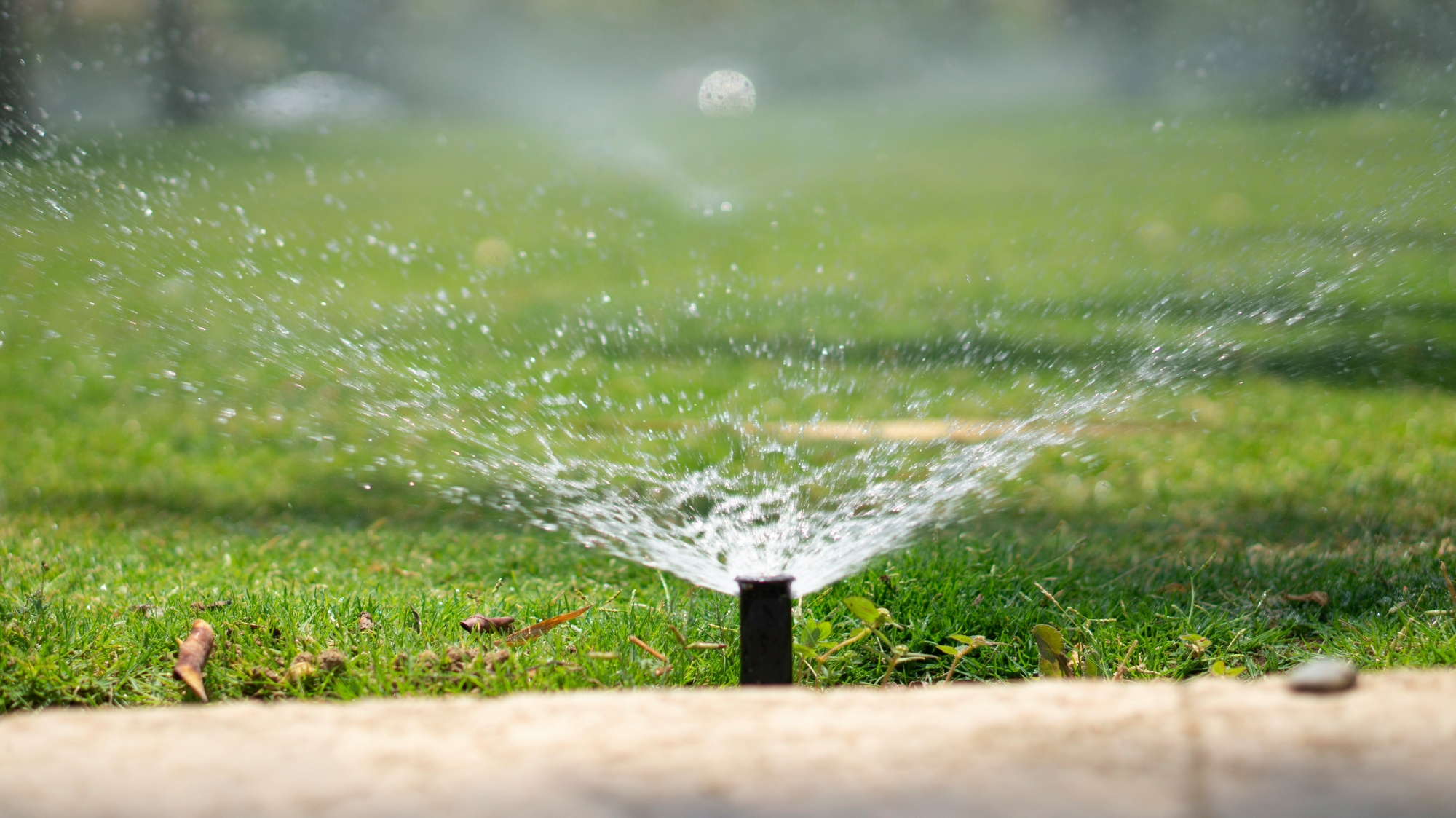
As the hot weather continues an increasing number of water wholesalers are announcing hosepipe bans across the UK. They are designed to reduce demand and help protect water supplies.
They primarily restrict households from using hosepipes, sprinklers or pressure washers. The rules vary from company to company, and people can still use watering cans and buckets, there are also exemptions for wildlife protection (e.g. filling ponds) and health and safety (e.g. essential cleaning).
They don’t apply in the same way for businesses. Businesses are exempt from hosepipe bans as long as the water is being used for commercial purposes. So, a garden centre can water plants to keep them healthy, a football club can water the pitch, and a factory can washdown yards.
However, if your business is in a hosepipe ban area then you should try and conserve water too. Things like avoiding washing commercial fleets, turning off water features, optimising cleaning systems, can all help ensure there’s enough water to go round. Please contact us if you want tips or advice on how to save water.
If dry conditions continue then water wholesalers can bring in Non-essential Use Bans, these are the next step up from a hosepipe ban and apply specifically to businesses. They mean water can only be used if essential, so if you are a food processing factory, you can use water in the processing, but you can’t use water for things like window washing or outdoor watering.
If you want more information about restrictions in your area, and how the rules apply to your business, or just want help to save water please contact us. Or go to Lets Save Water (Let’s Save Water | Water Efficiency Campaign for England & Wales) – which is a new 5-year national water saving campaign, it’s in its early stage so far but will increasingly have tools and resources for businesses.

Article Author
CTO
After qualifying as a civil engineer at University College London, Jacob went on to study hydrogeology at Imperial College London. He was an environmental adviser to the National Farmers’ Union and a water resources and water efficiency specialist at Water UK, before founding Waterwise in 2005, which remains the only not-for-profit organisation for water efficiency in the UK.
He developed the UK’s first formal Ofqual-approved water efficiency qualifications and is a visiting professor at Exeter University, currently developing an MSc course on water policy, science and management. In addition, Jacob is a WWF Associate specialising in developing water and wastewater systems and polices that enhance the environment. Jacob has sat on a number of European Commission working groups on issues ranging from drought planning to groundwater protection, and spent five years as the UK representative on the Eureau (pan-European water industry body) Drinking Water Commission, as well as chairing OFWAT’s Resilience Committee.
The Water Retail Company is proud to be part of the Non-Household Water Efficiency Collaboration Portal, a Market Improvement Fund project funded by MOSL. The project has been established to improve...

Water supplies to business in England (and some in Wales) opened to competition in April this year. That means you can shop around and choose from around 20 licensed water retailers. You should be...

On the 19th December Ofwat, the water regulator for England and Wales, published its report on water company prices and investment for the next 5 years. A record £104bn is being invested in...