Monday - Friday: 9:00 - 17:00, Saturday - Sunday: Closed (Emergency 24/7)

Send Email
Monday - Friday: 9:00 - 17:00, Saturday - Sunday: Closed (Emergency 24/7)
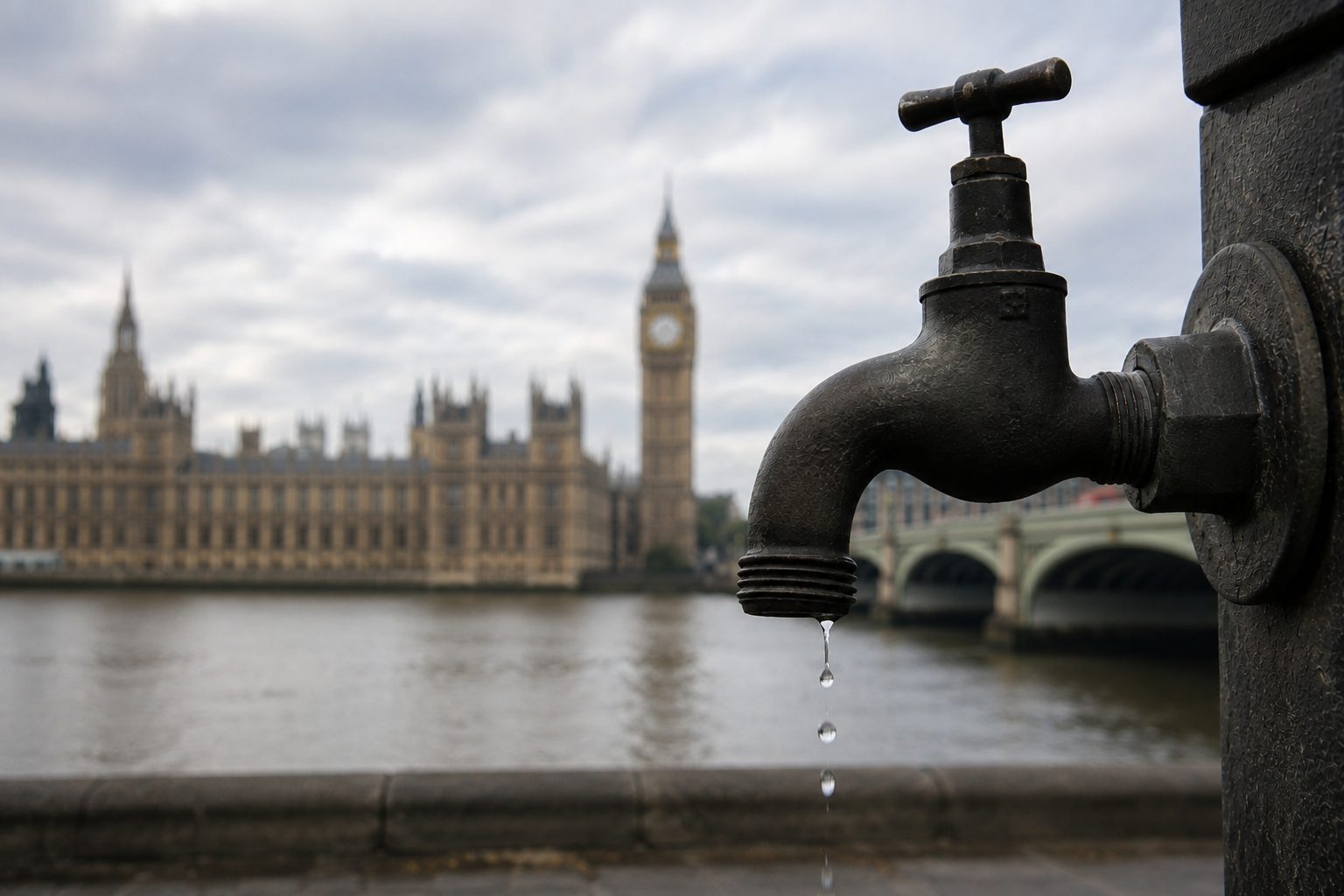
Parts of the UK have had no rain for more than a month and there are hosepipe bans across large parts of England and Wales. This is likely to be the driest July for 190 years and drought status has been declared in parts of England and Wales.
But this is not a drought.
It’s the new normal, if there is even such a thing as normal anymore.
We used to be able to predict weather events like droughts and floods based on historic records. But the erratic nature of climate change means there is no stationarity anymore and we can’t use past records to predict what will happen. What we can predict is more extremes. More long dry spells, and because warm air can hold more moisture, more massive downpours. So, the future is too much water, too little water, and on top of that, it’s more polluted.
So, if extremes are the new normal what should we do?
Firstly, we need to acknowledge the importance of water to all aspects of our lives. Environment, economy and society are all underpinned by access to clean water. We have taken this for granted for over a hundred years, but climate change, underinvestment, pollution, and growth in economic and domestic water use, all mean that our water and sewerage systems are under threat.
We are already seeing increased pollution incidents, interruptions in supply, and floods impacting our infrastructure. And this is constraining growth in areas like housing and economy, with completed housing development left unoccupied, and business unable to expand or develop new sites because of a lack of water.
We need to manage water better. And this means everyone, it’s easy to blame the water companies, the Government, but we are all responsible.
We have the tools to fix the problems; we just need to act. In terms of policy, water company boards should have representatives of local communities, businesses and environmental groups, there should be a national water strategy for England, and water should be considered in areas like housing policy and economic growth. There should be greater investment in infrastructure resilience. The government needs to review water company governance; we need proper public accountability and involvement in decision making. For instance, we have just had major bill rises, but water companies aren’t spending the money that’s been raised. Why not? Water companies need to realise they are water companies and not finance houses. They need to focus on delivery. The UK has one of the best water sectors in the world with some very talented dedicated people, but they aren’t being deployed in the right way. Likewise, there is no shortage of innovation to solve water issues, but it’s not being deployed at scale. Again why not?
On the built environment side, water companies should be statutory consultees for planning, especially given the massive impact of new data centres which by 2030 could use as much water as the City of Liverpool. All new commercial builds should have rainwater harvesting. All new properties should have water efficient appliances as standard. There should be clearer advice and regulation on greywater recycling and rainwater harvesting. And we must stop building on flood plains.
But at the same time, we must all take action, turning off taps, taking shorter showers, using rainwater to water the garden and much more. And companies should think about their water use, do a basic water audit, install efficient appliances, consider rainwater harvesting and water reuse, and engage staff on water efficiency. And often there are grants for these sort of actions.
The added bonus of all this water conservation is that as well as ensuring there’s enough water to go round and helping to protect the environment, households and business can save money.
For more detailed information on how to save water please get in touch and we would be happy to help. You can find out more about TWRC’s water efficiency services here: https://thewaterretailcompany.co.uk/services/water-efficiency/

Article Author
CTO
After qualifying as a civil engineer at University College London, Jacob went on to study hydrogeology at Imperial College London. He was an environmental adviser to the National Farmers’ Union and a water resources and water efficiency specialist at Water UK, before founding Waterwise in 2005, which remains the only not-for-profit organisation for water efficiency in the UK.
He developed the UK’s first formal Ofqual-approved water efficiency qualifications and is a visiting professor at Exeter University, currently developing an MSc course on water policy, science and management. In addition, Jacob is a WWF Associate specialising in developing water and wastewater systems and polices that enhance the environment. Jacob has sat on a number of European Commission working groups on issues ranging from drought planning to groundwater protection, and spent five years as the UK representative on the Eureau (pan-European water industry body) Drinking Water Commission, as well as chairing OFWAT’s Resilience Committee.
In January 2026, the UK Government published its response to the Cunliffe review of the water sector. The main output is the creation of a single water regulator, to replace Ofwat, DWI and the water...

On the 19th December Ofwat, the water regulator for England and Wales, published its report on water company prices and investment for the next 5 years. A record £104bn is being invested in...
The recent hot weather has put pressure on water resources across the country. In particular Southern Water and South East Water are experiencing very high demand for water across Kent. This,...